
Looking to boost your furry friend’s health and vitality? Dive into the world of raw dog food! Uncover the benefits, navigate potential risks, and learn how to seamlessly transition your pup to a raw diet pet food Malaysia.
Discover the essential nutrients for your dog’s well-being and gain practical tips for getting started on this nourishing journey. Embrace the freedom to choose the best nutrition for your canine companion with a raw food diet.
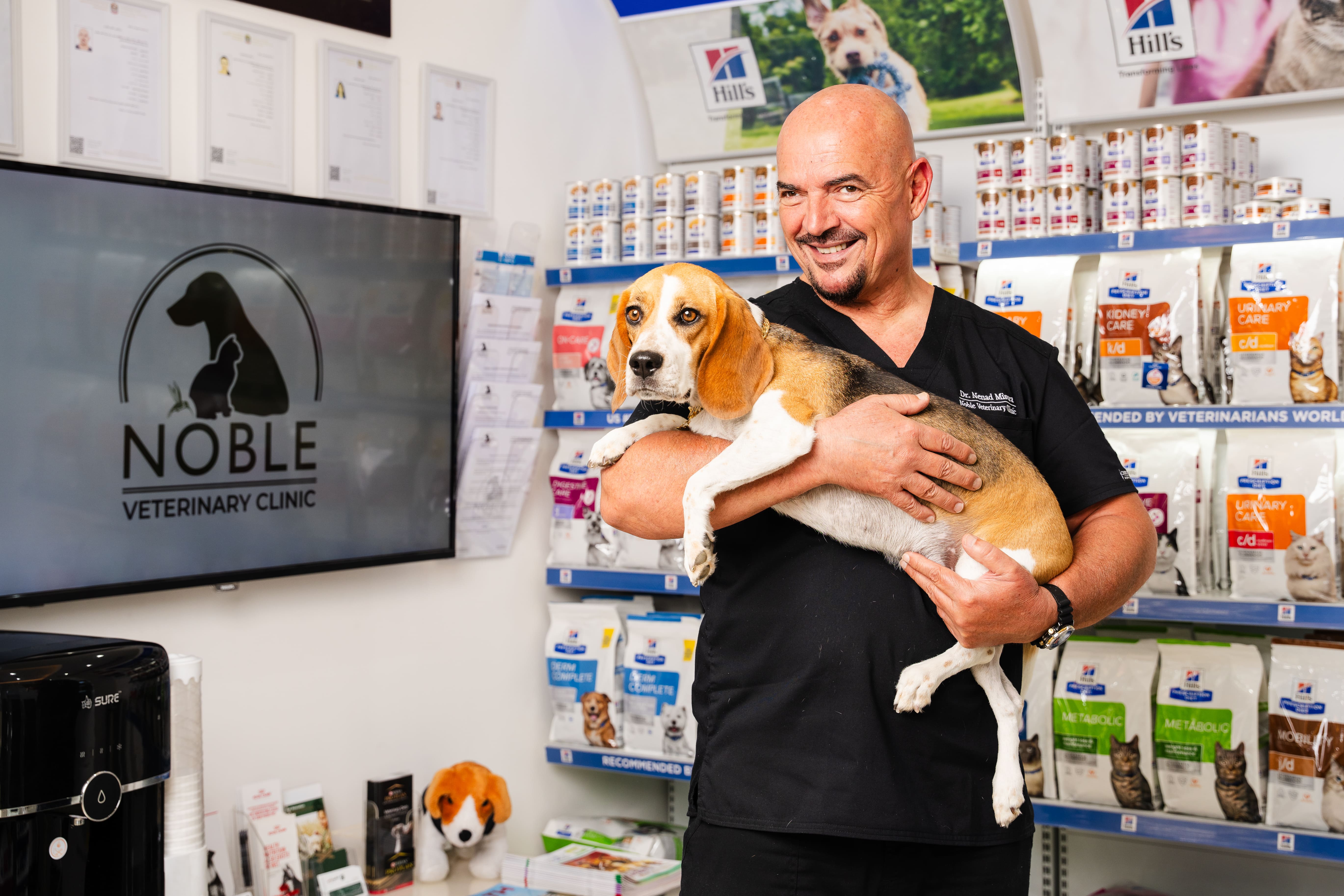
Health Benefits of Raw Dog Food
When feeding your dog a raw diet, you can expect improvements in their overall health and well-being. Raw dog food provides essential nutrients in their most natural form, promoting better digestion and nutrient absorption.
Your furry companion may experience increased energy levels, shinier coat, healthier skin, and stronger teeth and gums. By feeding raw, you have the freedom to control exactly what goes into your dog’s diet, avoiding any unnecessary additives or fillers commonly found in commercial pet foods.
Additionally, raw feeding can help manage weight more effectively, reduce allergies, and improve your dog’s immune system. Embracing a raw diet for your dog empowers you to prioritize their health and happiness in a more natural and wholesome way.
Potential Risks to Consider
Considering the potential risks associated with feeding your dog a raw diet, it’s important to be aware of certain factors that may impact your furry friend’s health.
One major risk is the potential for bacterial contamination in raw meat, which can lead to foodborne illnesses in dogs.
Another risk to consider is the improper balance of nutrients in homemade raw diets, which could result in deficiencies or excesses that harm your dog’s health.
Additionally, bones in raw diets pose a choking hazard or may splinter and cause internal injuries.
Lastly, there’s a risk of not meeting your dog’s specific nutritional needs without professional guidance, potentially leading to health issues.
Transitioning to a Raw Diet
To transition your dog to a raw diet successfully, start by gradually introducing small amounts of raw food alongside their current diet. Begin by replacing a small portion of their regular food with raw meat or bones. Monitor how your dog reacts to the new diet and adjust accordingly. Slowly increase the amount of raw food while decreasing their old diet over a period of about a week or two.
Watch for any signs of digestive issues or allergies during this transition phase. Remember to consult with your veterinarian for guidance and advice throughout the process. By easing your dog into the raw diet, you can help them adjust comfortably and ensure a smooth transition to a healthier eating routine.

Essential Nutrients for Dogs
As you transition your dog to a raw diet, it’s essential to ensure they receive all the necessary nutrients for optimal health and well-being. Your pup needs a balanced intake of proteins, fats, vitamins, and minerals.
Protein sources like muscle meat, organs, and bones are crucial for muscle development and overall health. Healthy fats from sources like fatty fish or oils provide energy and support cell function.
Make sure your dog gets enough vitamins such as A, D, and E, which play vital roles in immune function and vision. Minerals like calcium and phosphorus are essential for strong bones and teeth.
Tips for Starting a Raw Food Diet
Transitioning to a raw food diet for your dog involves gradually introducing raw ingredients to their meals. Start by replacing a small portion of your dog’s current food with raw meat, such as chicken or beef. Monitor how your dog reacts and gradually increase the amount of raw food while decreasing the commercial food.
Remember to include a variety of proteins like poultry, red meat, and fish, as well as organs and bones for a balanced diet. To ensure your dog gets essential nutrients, consider adding supplements like fish oil or vitamin E.
Always provide fresh water and consult with a veterinarian to tailor the diet to your dog’s specific needs. Enjoy the process of nourishing your furry friend with wholesome, raw ingredients.
Conclusion
Overall, transitioning your dog to a raw food diet can have numerous health benefits such as improved digestion, healthier skin and coat, and increased energy levels.
However, it’s important to be aware of the potential risks involved and ensure your dog is receiving all the necessary nutrients.
By following proper guidelines and consulting with a veterinarian, you can successfully start your dog on a raw food diet for a happier and healthier life.


